Jasper SkyTram Roundtrip Ticket
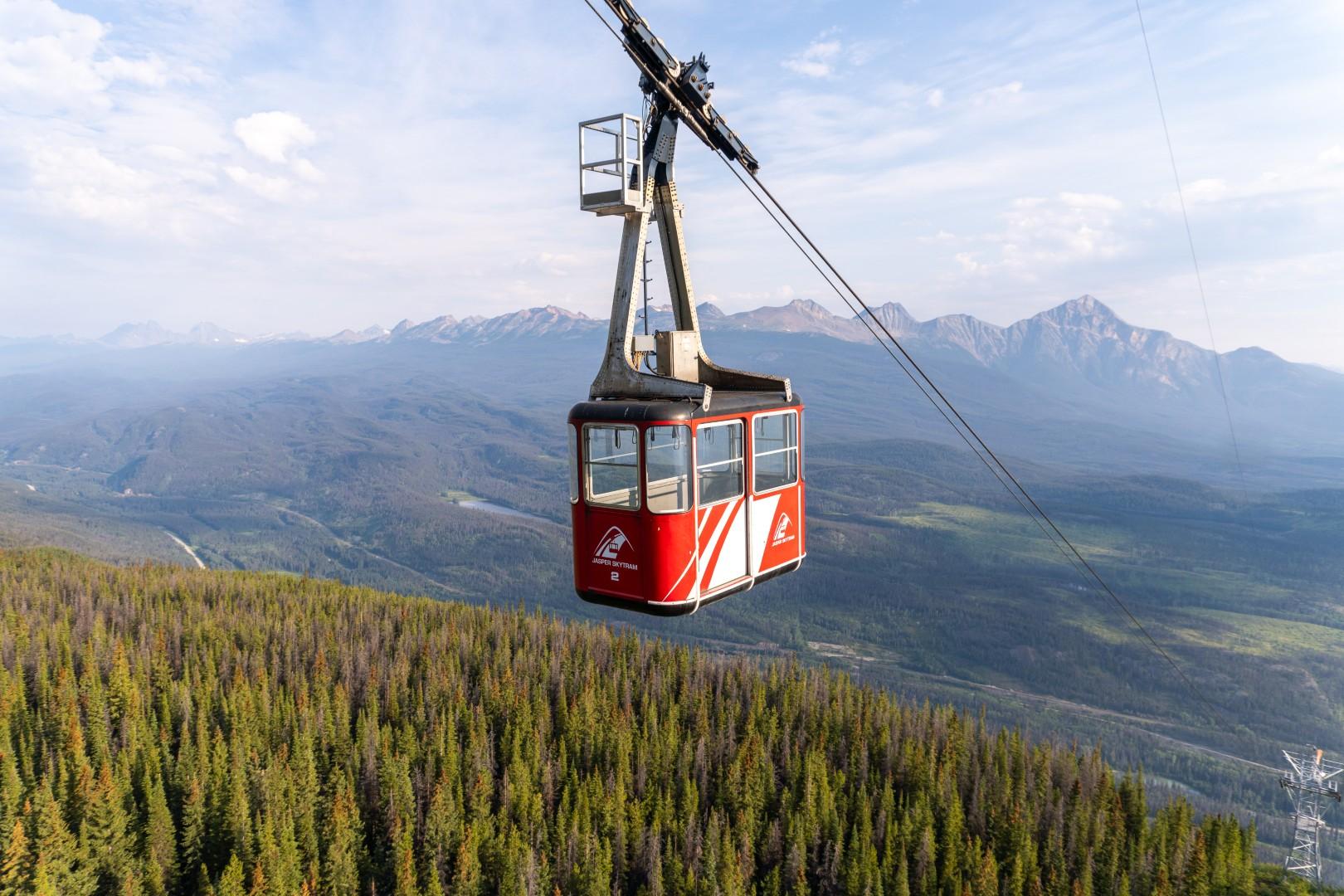
Soar above the Canadian Rockies on Canada's longest aerial tramway for panoramic alpine views
Reserve
Hand-picked by our editors — only the best 5 alpine experiences from 24 reviewed.
Verified partners for every tour, free cancellation where available, and instant confirmation on every booking.
Soar above the Canadian Rockies on Canada's longest aerial tramway for panoramic alpine views
Reserve
20 min
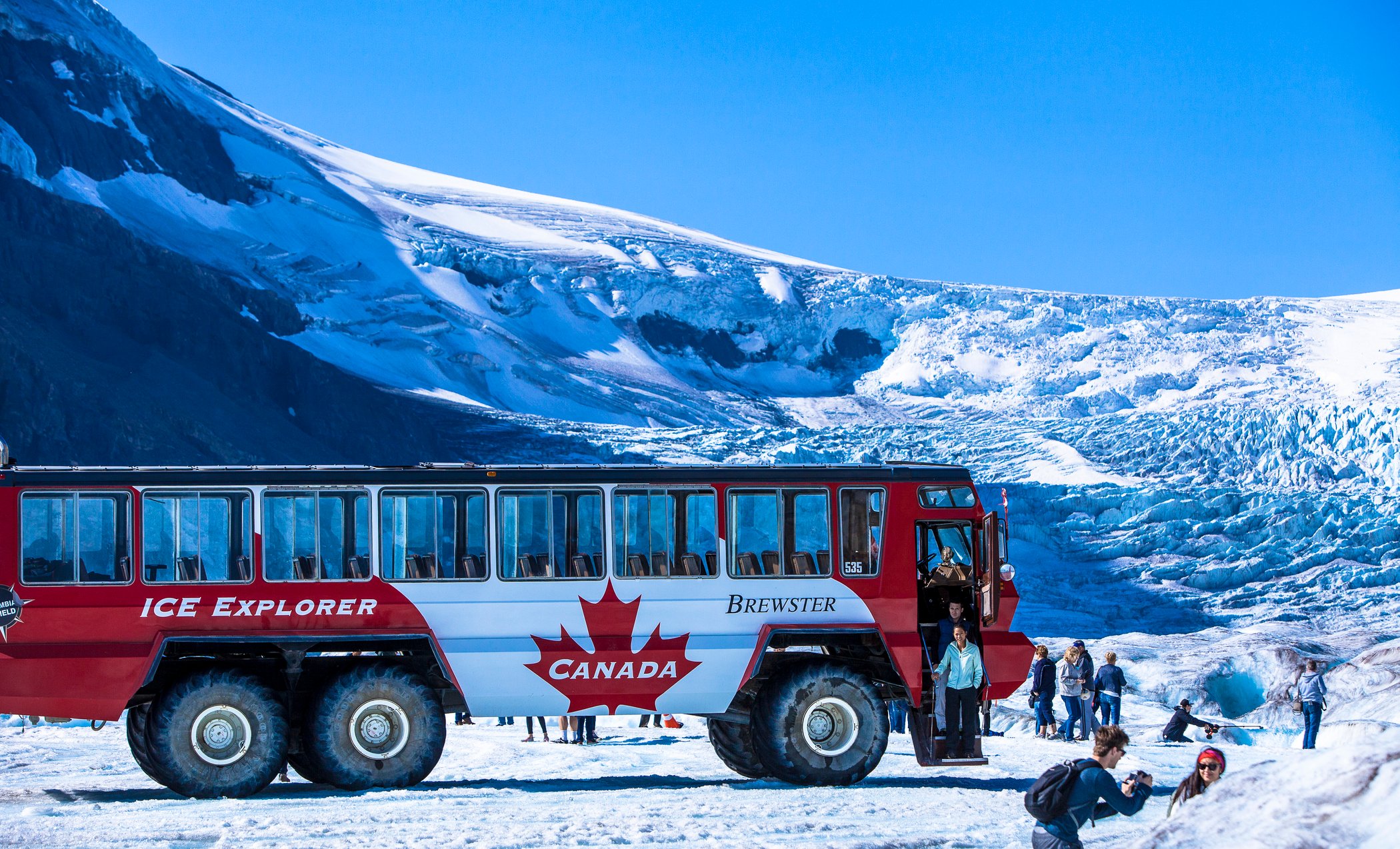
Venture onto ancient ice aboard a colossal all-terrain vehicle, then walk above a valley on suspended glass
Reserve
1 hr 30 min
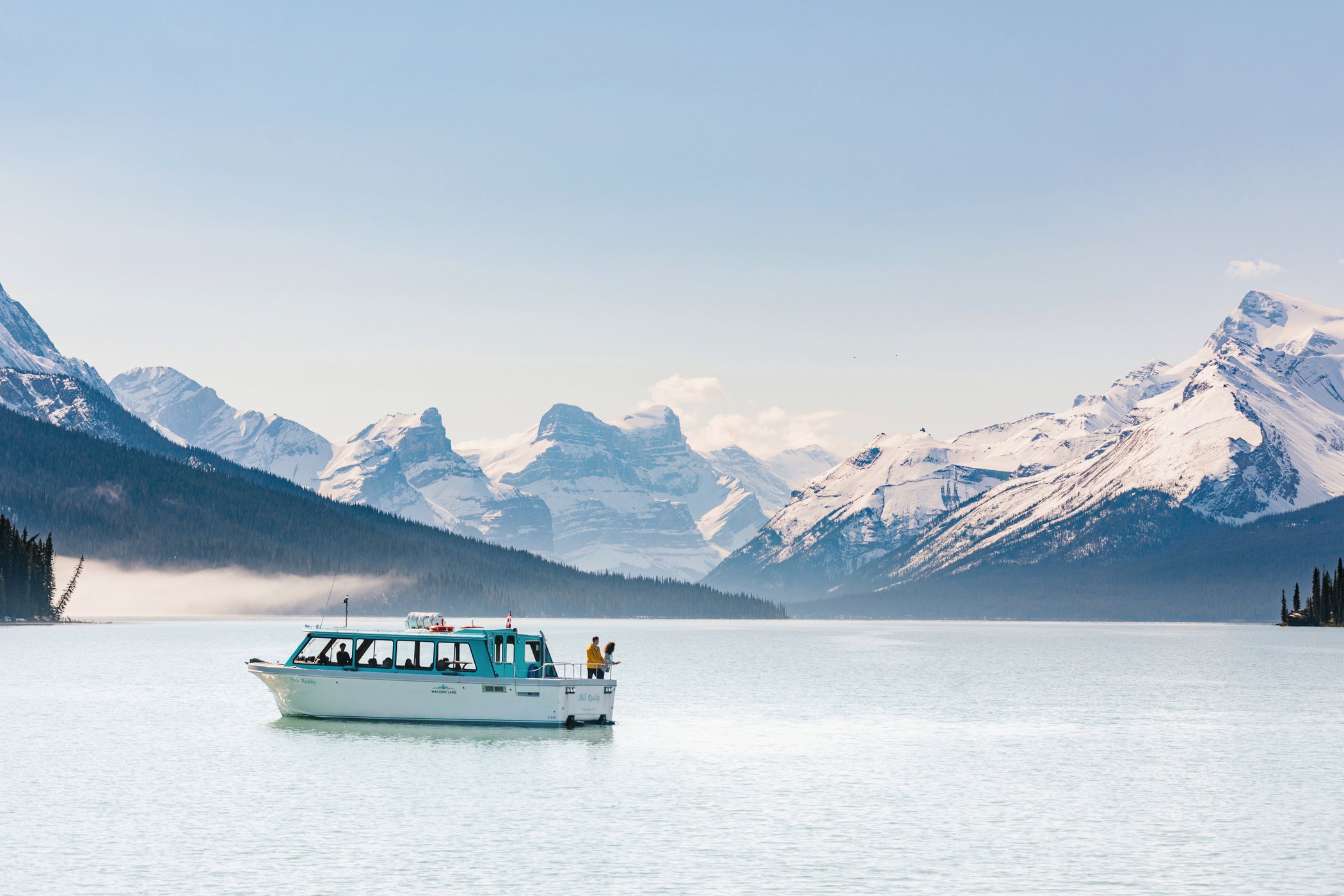
Glide across Jasper's largest glacial lake to the iconic Spirit Island with stunning Rocky Mountain views
ReservePrices from verified partners. Availability updates in real time at checkout. Free cancellation policies apply where shown.
The landmarks, rooms, and views travelers on this tour remember — all visible on a single visit.
A specialized theater environment designed for immersive educational astronomy presentations.
Professional-grade equipment used for viewing celestial bodies with expert guidance.
The primary location for outdoor viewing of the vast night sky.
An interactive session identifying key stars visible in the Jasper Dark Sky Preserve.
Displays detailing the geological and celestial history of the Rocky Mountains.
The Jasper Planetarium offers a reliable, dome-based astronomical education, while high-altitude Jasper SkyTram Stargazing tours provide an immersive, open-air observation encounter. Jasper SkyTram Stargazing is better for those seeking raw mountain conditions, while the planetarium provides a consistent alternative.
| Feature | Top pick Jasper Planetarium | Jasper SkyTram Stargazing |
|---|---|---|
Altitude |
1,060 meters | 2,263 meters |
Telescope Access |
Guided indoor and outdoor | Outdoor mountain summit |
Weather Sensitivity |
Low; dome protected | High; weather dependent |
Accessibility |
Wheelchair accessible | Limited summit terrain |
Transportation Needs |
Car or shuttle | Shuttle required |
Primary Viewing Focus |
Educational constellations and digital projection | Deep sky objects and mountain vistas |
| See tickets → |
Verdict: Choose the planetarium for dependable educational programming or secure your jasper skytram stargazing tickets to experience deep-space observation at high elevations, provided you have booked your jasper skytram stargazing tour well in advance to ensure availability.
Choose your ticket, select your date, and reserve in under two minutes. Secure checkout handled by our verified partner.
Instant confirmation by email, with a mobile voucher you can save offline. No printing, no queuing at a collection desk.
Arrive at the entrance, show your voucher on your phone, and walk in. Most tickets include priority or skip-the-line access.
Practical details for your visit straight from our verified partners — hours, access, rules, and how to get there.
1 Old Lodge Rd, Jasper, AB
Located at Fairmont Jasper Park Lodge
Follow Highway 16 and turn onto Lodge Road to access the site.
Local shuttle services operate regularly from town center.
Dress in warm, layered clothing as high-altitude viewing conditions are significantly colder than the valley floor. Sturdy footwear is recommended for navigating the observation deck.
Small personal bags are permitted inside the dome. All items are subject to inspection by site staff.
Photography is permitted in the lobby, though flash usage is prohibited during active telescope sessions to maintain night vision. Long-exposure tripod photography may be restricted near the equipment.
The planetarium is fully wheelchair accessible with flat-level entry. Please notify staff in advance if you require assistance with telescope access.
Phones must be silenced during shows. Please refrain from using screen lights during stargazing segments.
The facility welcomes all ages, though educational content is best suited for children aged six and older. Quiet environments are required during guided presentations.
No food or drink is permitted inside the dome area. Water bottles are allowed in the lobby.
Service animals are permitted, but general pets are not allowed inside the planetarium dome.
High-altitude sessions depend on clear meteorological conditions. In the event of cloud cover, indoor virtual tours replace telescope viewing.
Best time to go, insider tips, nearby landmarks, and the cancellation fine print — flip through to skim what matters to you.
How crowds, weather, and events shift across the year.
September offers crisp air and early sunsets for jasper skytram stargazing.
Deep darkness provides the longest windows for night sky observation.
Clearer skies often follow transitional weather patterns.
Longer days mean later starts for evening stargazing activities.
Small details that turn a good visit into a great one.
Reserve your jasper skytram stargazing tickets well in advance during peak months.
Jasper temperatures drop rapidly after dark even in summer.
Review local cloud reports before arrival to manage expectations.
Follow the 20:00–23:00 arrival window for the best light conditions.
Use a red-filtered flashlight to navigate to maintain your night vision.
Non-bookable sights within a short walk — free to visit, easy to pair.
Mountain tramway offering aerial views of the Rockies
Glacial lake known for Spirit Island scenery
Powerful waterfall accessible by walking trails
Quiet lake with island bridge and boat rentals
Flexible, no hidden fees.
Full refunds are available for cancellations made within the designated window. A base fee of 40 CAD applies to the planetarium experience.
Hand-picked options within walking distance — pick a district for vibe, or a specific hotel for convenience.
Resort property housing the planetarium
The Jasper SkyTram climbs 973 vertical metres in seven minutes, delivering visitors to Whistlers Summit at 2,263 metres above sea level — the highest cable-car destination in the Canadian Rockies. Since its 1964 opening, the tramway has served as a gateway to alpine terrain, but after Jasper National Park earned Dark Sky Preserve designation in 2011, the summit transformed into one of North America's premier high-altitude stargazing platforms. At this elevation, atmospheric interference drops by nearly thirty percent compared to valley floors, and light pollution from Jasper townsite — already minimal — fades to near-invisibility. The result is a celestial canvas where the Milky Way arches overhead in structural detail, the Andromeda Galaxy appears as a smudge visible to the naked eye, and meteor showers deliver up to sixty streaks per hour during peak events. Jasper Planetarium partners with the SkyTram to host jasper skytram stargazing tours that pair tramway access with expert-led telescope sessions. Astronomers haul refractor and Dobsonian telescopes to the upper station, targeting deep-sky objects invisible from lower elevations: the Ring Nebula in Lyra, the double cluster in Perseus, Saturn's rings during opposition. The thin air at Whistlers Summit reduces atmospheric turbulence, a phenomenon astronomers call "seeing," which sharpens planetary detail and tightens star images. On nights when the jet stream holds steady, Jupiter's cloud bands and the Cassini Division in Saturn's rings resolve with clarity typically reserved for observatory-grade instruments at sea level. The summit environment presents logistical challenges that distinguish these events from valley-based astronomy. September temperatures at 2,263 metres regularly drop to freezing after sunset, and wind chill can subtract another ten degrees. Guides recommend insulated layers, hand warmers, and headlamps with red filters to preserve night vision during the descent. The upper station provides minimal shelter — stargazing occurs on open ridgelines where unobstructed horizons stretch from the Columbia Icefield to the Athabasca Valley. These conditions, while demanding, eliminate the light domes and horizon glow that compromise urban and even rural astronomy. For visitors accustomed to city skies, the summit delivers a perceptual reset: constellations appear crowded with fainter stars, the zodiacal light becomes visible as a faint pyramid rising from the western horizon after twilight, and satellites cross the sky every few minutes, their steady glide distinguishing them from the random arcs of meteors.
"At this elevation, atmospheric interference drops by nearly thirty percent compared to valley floors, and light pollution fades to near-invisibility."
A step-by-step walkthrough of the visit — what you'll see, how long each stage takes, and the details that matter.
You board the enclosed gondola at the base station as daylight drains from the valley, the cabin swaying slightly as the cable pulls you upward through subalpine forest that thickens, then thins, then gives way entirely to tundra and exposed rock. Seven minutes later, the doors open at 2,263 metres, and the temperature drops ten degrees in the span of a breath. You follow the group along a gravel path to the ridgeline, where three telescopes stand on tripods, their lenses pointed at a sky now fully dark. The astronomer hands you a star chart printed on red paper and directs your gaze to Cassiopeia, a W-shaped constellation riding high in the northeast. Through the eyepiece of the first telescope, the double cluster in Perseus resolves into two swarms of blue-white stars, each pinpoint sharp against the black. You step to the second telescope, trained on Saturn. The planet hangs in the eyepiece as a golden disk, its rings tilted just enough to show the Cassini Division as a thin dark line. The astronomer adjusts the focus, and the image tightens. You spend three minutes at the eyepiece, watching the planet's slow drift across the field of view. When you step back, the Milky Way dominates the southern sky — not as a faint smudge but as a luminous river bisected by dark dust lanes. You recognize the Summer Triangle overhead, then lose count of the meteors streaking through Aquarius. The wind picks up, and you pull your jacket tighter, but you stay another twenty minutes, scanning the horizon where the lights of Jasper glow faintly, forty-five kilometres to the northeast.
The facility is open daily from 00:00–23:59. For the best stargazing, plan your arrival between 20:00–23:00 to ensure darkness for the telescopes.
Yes, the Jasper Planetarium is fully wheelchair accessible with elevator access to the main dome.
The base planetarium experience fee is 40 CAD per adult.
Small bags are permitted inside the Jasper Planetarium, but they will be subject to inspection by site staff.
Optimal conditions for jasper skytram stargazing occur in the evening, specifically the 20:00–23:00 window.
Photography is permitted in the lobby, but please keep phones off and avoid flash during telescope sessions at the Jasper Planetarium.
No, food and drink are not permitted inside the telescope dome at the Jasper Planetarium.
The planetarium is located at 1 Old Lodge Rd, Jasper, AB, and is best accessed via car or taxi from the town center.
While all ages are welcome, the content is tailored for guests aged six and older for maximum engagement.
If clouds obscure the sky, the Jasper Planetarium provides a high-quality virtual tour to replace outdoor telescope viewing.