Jasper Stargazing
Stargazing Guide

Jasper Stargazing Spots

Jasper sits inside one of the world's largest accessible dark sky preserves, where light pollution laws protect 11,000 square kilometres of night sky. This guide maps the locations that deliver the clearest views of the Milky Way, planets, and deep-sky objects year-round.

7 min read Updated 2026-09-15 Fact-checked
Jasper Stargazing Spots

Quick answer

The best jasper stargazing spots include Pyramid Lake, Old Fort Point, Lake Annette, and the Jasper Planetarium at 1 Old Lodge Road. The Planetarium offers telescope experiences daily for 55 CAD per adult, with late evening sessions providing optimal dark-sky conditions. Self-guided locations are free to access and open around the clock, though autumn through spring offers longer nights and more stable atmospheric conditions for deep-sky observation.

Jasper National Park earned Dark Sky Preserve designation in 2011, making it the second-largest protected night-sky region in the world. The designation carries legal weight: municipal bylaws restrict artificial lighting within park boundaries, and street lamps are shielded to direct illumination downward rather than skyward. The result is a baseline Bortle Class 2 sky across most of the preserve, where the Milky Way casts shadows and the Andromeda Galaxy appears without optical aid. Pyramid Lake and Patricia Lake sit six kilometres north of Jasper townsite, accessed via Pyramid Lake Road. Both shorelines offer unobstructed northern horizons, critical for observing aurora and circumpolar constellations. The road remains plowed through winter, and pullouts accommodate vehicles overnight. Lake Annette, three kilometres east of town, provides southern and western exposure with minimal tree interference. The loop trail around the lake includes several benches positioned for extended observation sessions. Old Fort Point, accessed via a short trail off Highway 93A, delivers 360-degree views from an elevated ridge above the Athabasca River. The elevation reduces ground-level moisture, which improves atmospheric transparency during spring and autumn. The Jasper Planetarium operates from a facility on Old Lodge Road, offering guided telescope experiences that include aperture instruments not practical for casual transport. Staff-led sessions run year-round, with reservation windows opening 90 days in advance. The Planetarium's location was selected for its elevation and distance from Jasper's core lighting district, placing it within a Bortle Class 1-2 transition zone. Equipment includes a 14-inch Schmidt-Cassegrain reflector and computerised tracking mounts that lock onto deep-sky targets within seconds. Self-guided jasper stargazing spots require no permits, though Parks Canada requests that visitors stay on established trails and avoid trampling vegetation during off-trail observation. Cellular coverage is intermittent beyond the townsite perimeter. Red-filtered headlamps preserve night vision while meeting Parks Canada's wildlife-awareness lighting requirements. Wildlife encounters are common after dark: elk frequent the Pyramid Lake area, and black bears are active near Lake Annette through October. The preserve's latitude at 52° north places the celestial equator low on the southern horizon, making southern-hemisphere objects difficult but northern deep-sky features prominent. The Milky Way core transits overhead from May through September, while winter skies favour Orion Nebula observation and zodiacal light detection along the ecliptic plane.

“Jasper's Bortle Class 2 skies allow the Milky Way to cast shadows and reveal the Andromeda Galaxy without optical aid.”
Timing

The Best Times for Jasper Stargazing Spots

Stargazing in Jasper is possible year-round, though late evening sessions provide the highest level of astronomical clarity due to darker skies. Clear, cold nights during the shoulder seasons often offer the most consistent viewing conditions.

Late Autumn & Winter

Low crowds

Cold, -10°C to -20°C; skies are clear and dark.

Extended night hours allow for prolonged observation periods during these months.

Spring

Moderate crowds

Cool, 0°C to 10°C; variable cloud cover.

This season marks the transition to milder temperatures while maintaining relatively dark evening skies.

Summer

High crowds

Mild, 10°C to 20°C; short nights.

The long daylight hours mean darkness arrives later, necessitating late-night viewing sessions for optimal results.

Late Evening

Regardless of the season, the period after astronomical twilight provides the darkest conditions for viewing stars and planets.

Verdict: Late evening sessions from September to November offer the best combination of early darkness and clear sky conditions for astronomical viewing.

What to see

Designated Jasper Stargazing Spots for Self-Guided Viewing

Jasper National Park offers several locations known for low light pollution and expansive views of the night sky. These areas provide reliable vantage points for observing celestial phenomena without the need for specialized equipment.

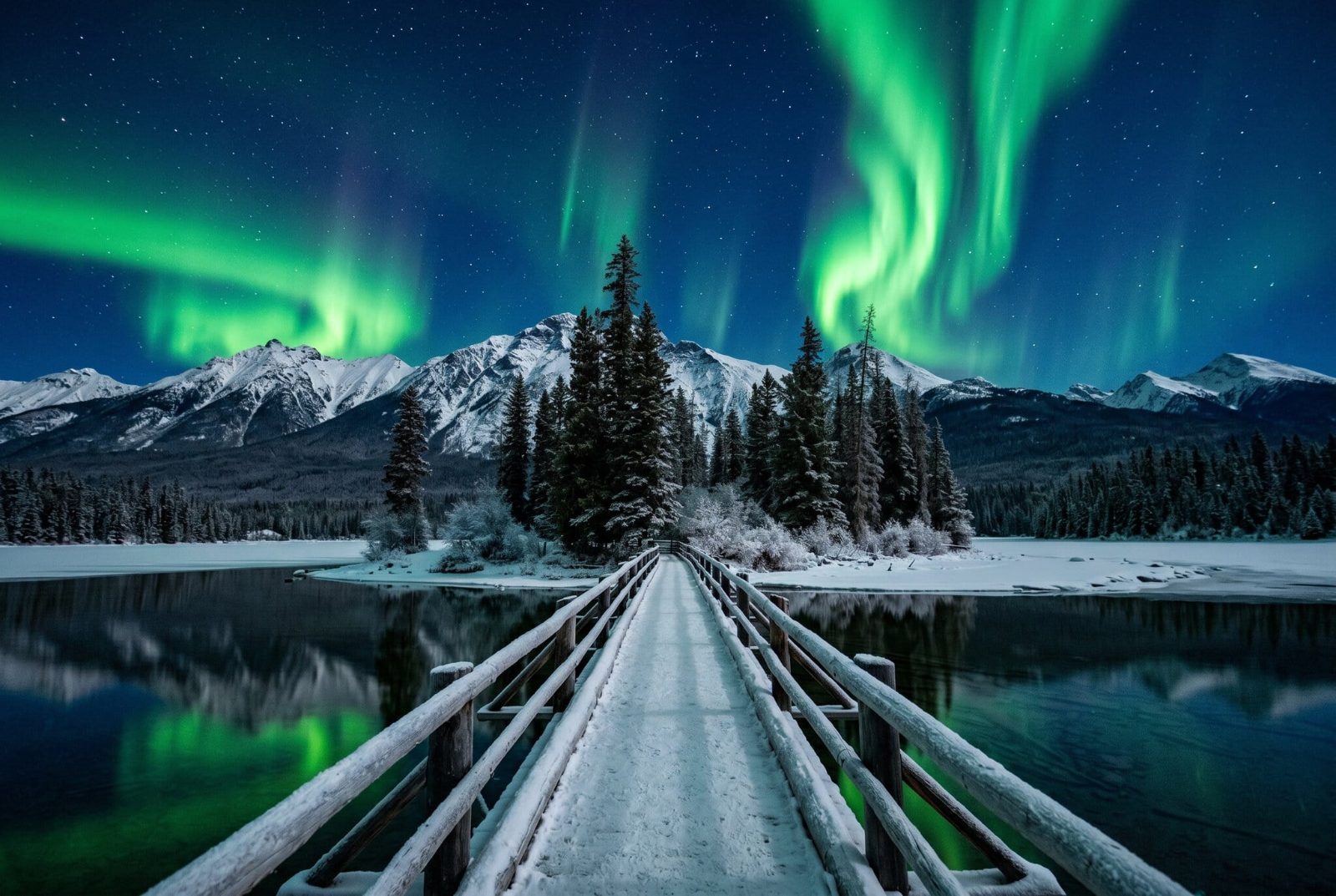
Pyramid Lake Island

Pyramid Lake Island

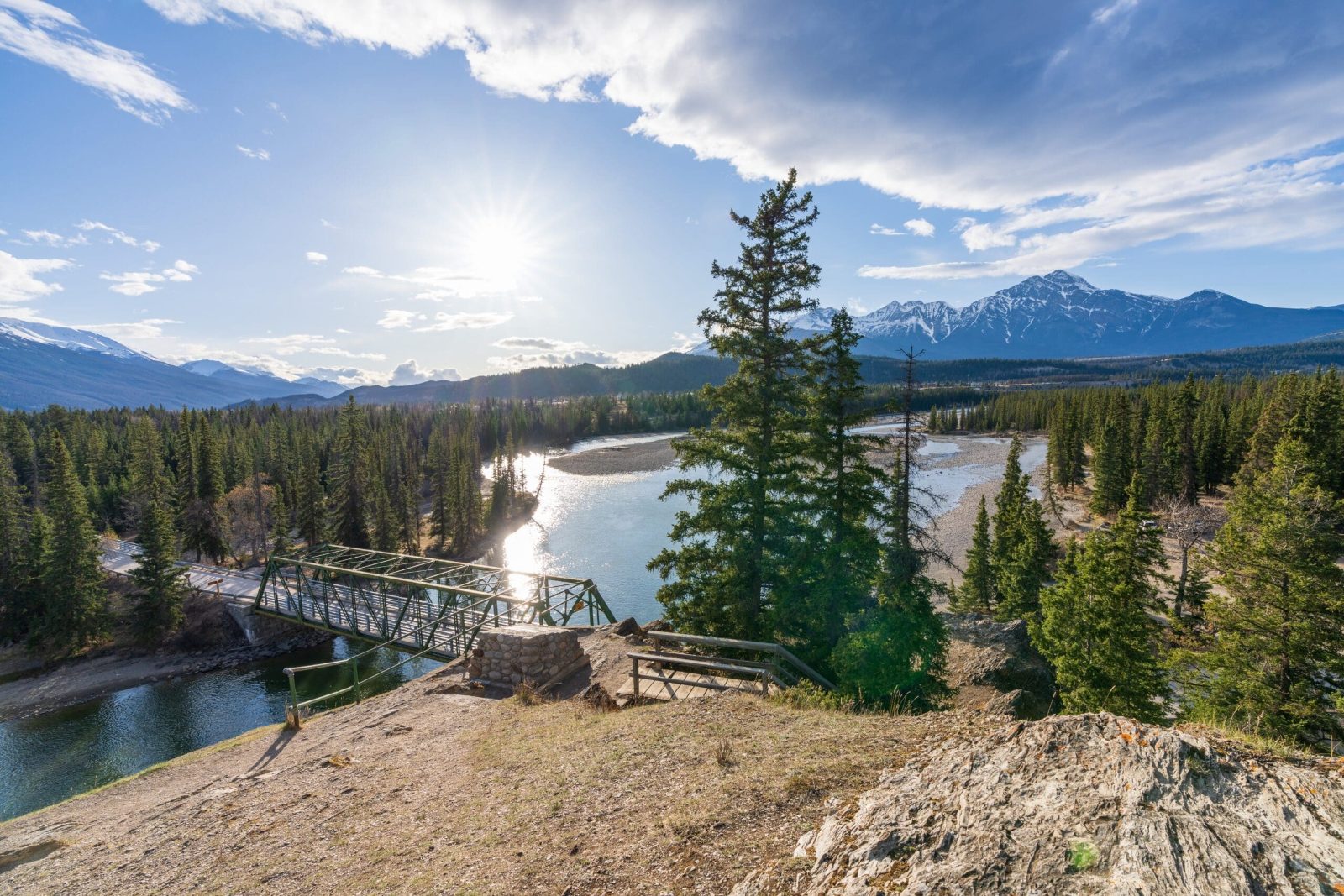
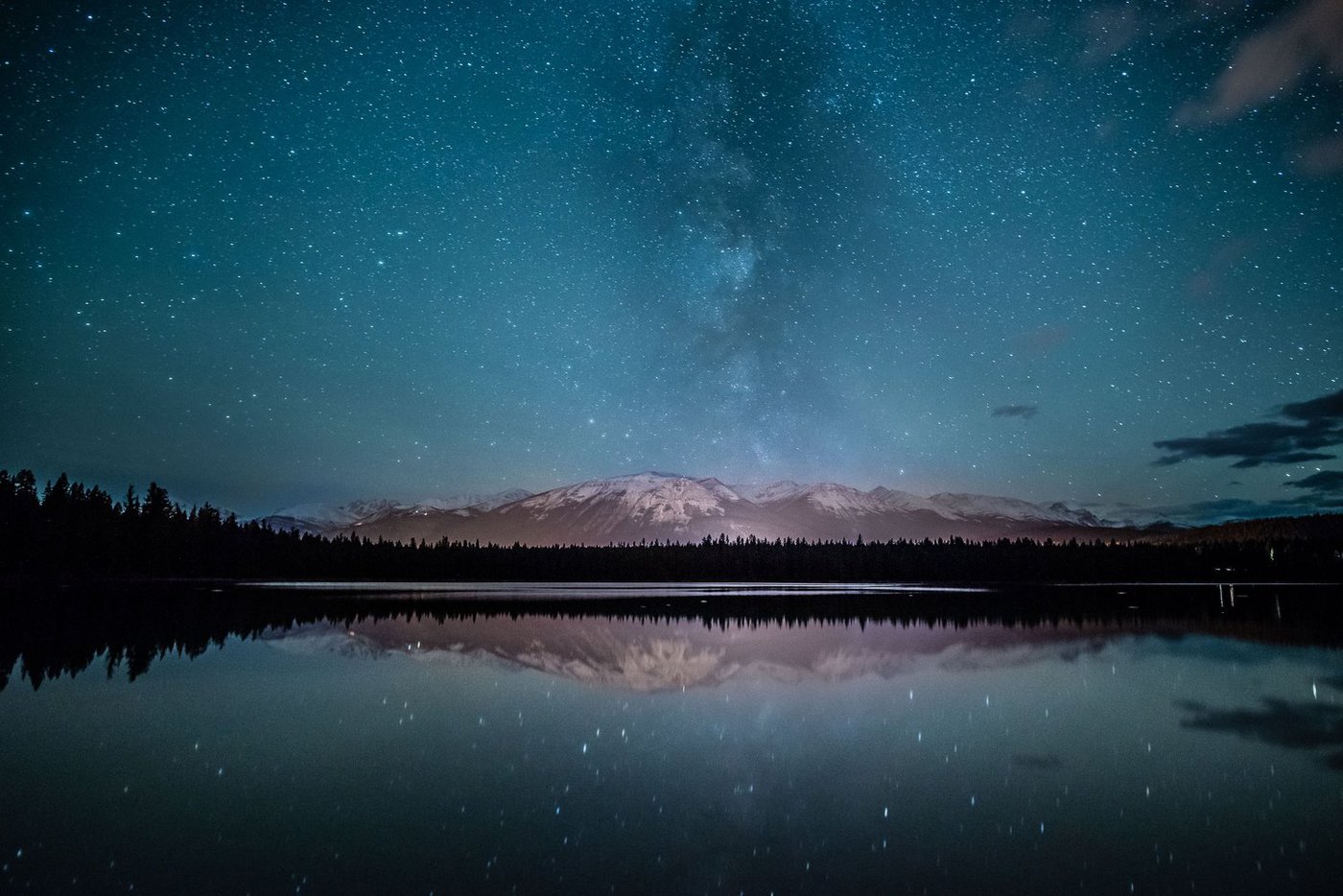
This site provides a near-360-degree horizon and minimal obstruction from trees or buildings. The dark water often reflects the night sky, creating a distinct visual depth.

Position yourself on the bridge for a clear northern view.
Athabasca Glacier

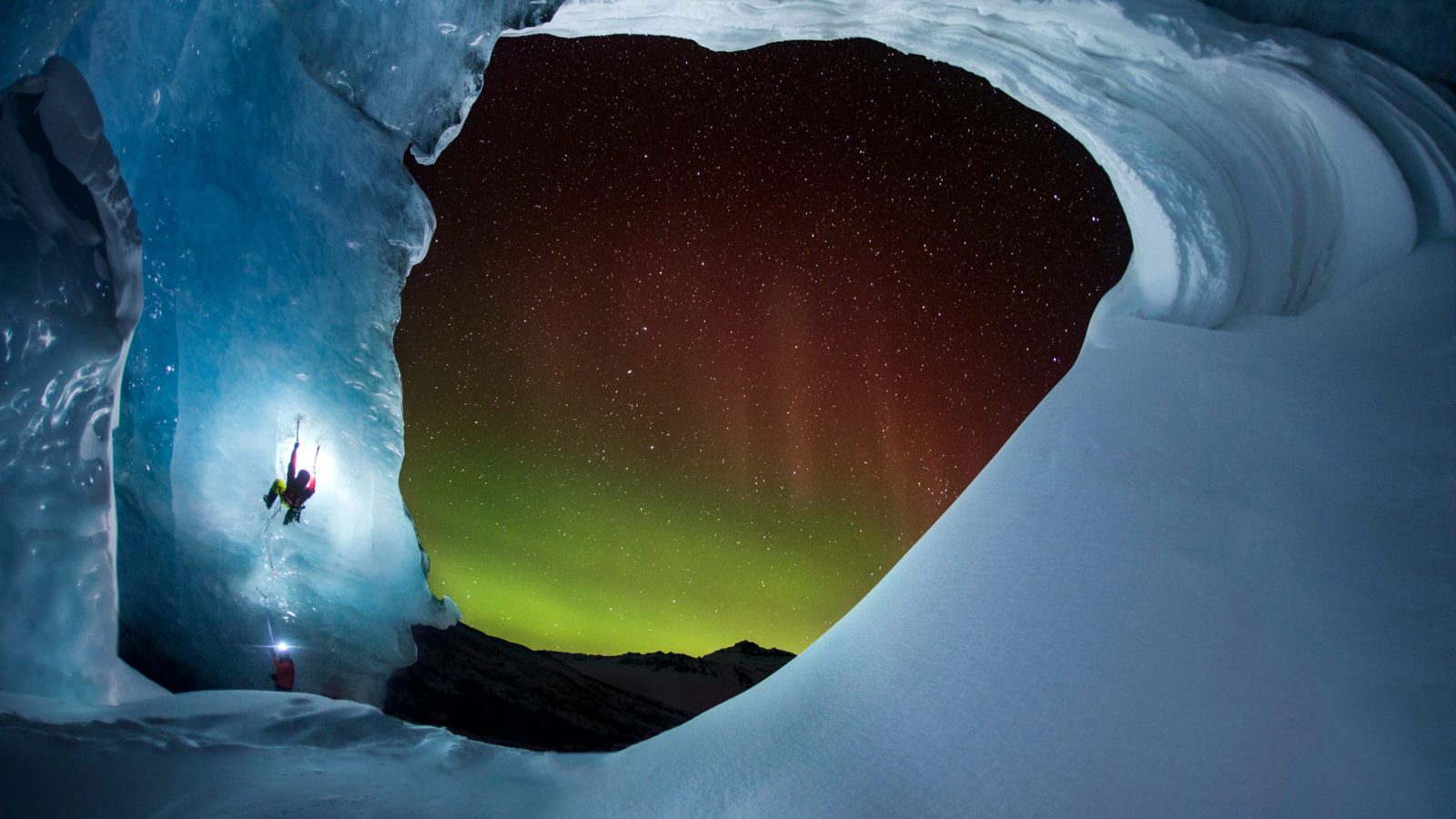
Athabasca Glacier

Located along the Icefields Parkway, this high-altitude area offers reduced atmospheric haze and limited light interference. The vast glacial landscape allows for significant separation from surrounding valley lights.

Visit during clear conditions to see the Milky Way clearly.

Maligne Lake

Maligne Lake

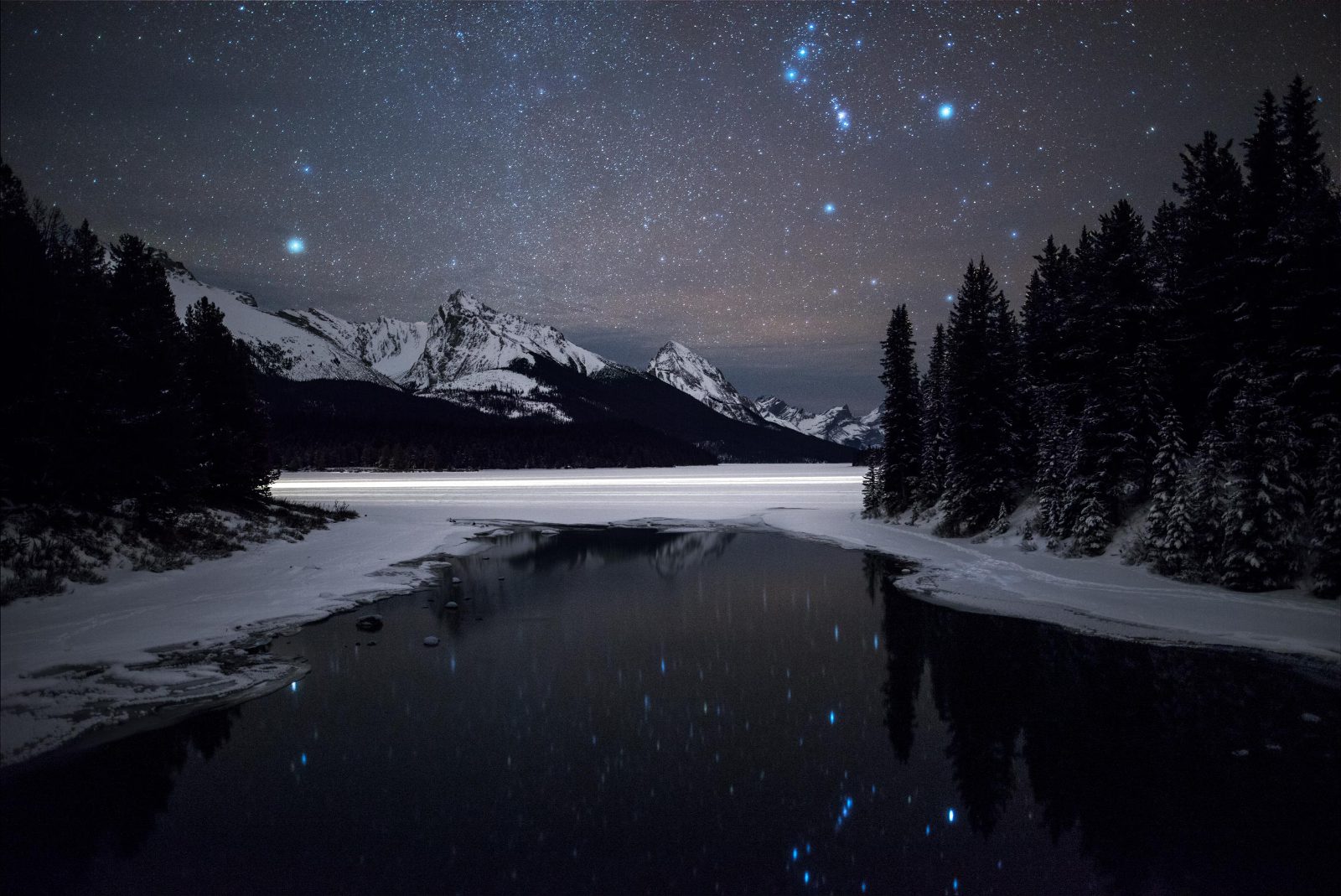
This location features a wide valley floor that provides a stable environment for long-exposure observation. Its distance from the Jasper townsite ensures lower levels of light glow.

Look toward the lake surface to minimize horizon interference.

Old Fort Point

Old Fort Point

This elevated vantage point overlooks the Athabasca River valley, providing a wide-angle perspective of the surrounding peaks. The hike to the top offers a vantage point above the immediate treeline.

Bring a reclining chair to view the zenith comfortably.

Opening hours

Jasper Stargazing Spots and Planetarium Hours

The Jasper Planetarium maintains a consistent daily schedule to accommodate astronomy enthusiasts throughout the year.

Monday
00:00–23:59
Tuesday
00:00–23:59
Wednesday
00:00–23:59
Thursday
00:00–23:59
Friday
00:00–23:59
Saturday
00:00–23:59
Sunday
00:00–23:59
Experiences are available throughout the 24-hour cycle, with late evening sessions recommended for optimal dark-sky viewing.
Directions

How to Reach Jasper Stargazing Spots and the Planetarium

The Jasper Planetarium is located at 1 Old Lodge Rd, Jasper, AB T0E 1E0, Canada. Visitors can reach this area via local roads within Jasper National Park, which serves as a central hub for both the planetarium and nearby self-guided stargazing sites.

Car Varies by starting point

Highway 16 to Jasper townsite, then follow signage to Old Lodge Rd

Taxi 10 min from town centre Varies

Local Jasper taxi services to 1 Old Lodge Rd

On foot 20–30 min

Walk from Jasper town centre via Connaught Dr and Old Lodge Rd

Parking is available on-site at the Jasper Planetarium. For self-guided stargazing locations, ensure your vehicle is parked in designated dark-sky pull-offs along the highway to maintain safety.

Checklist

Preparation for Jasper Stargazing Spots

Self-guided stargazing in Jasper National Park requires specific gear and awareness of remote conditions.

Book

Check availability

Frequently asked

Common questions about jasper stargazing spots

Everything you need to know about jasper stargazing spots

What are the best jasper stargazing spots for beginners?

To ensure a comfortable experience, bring warm layers, as temperatures can drop significantly at night. A red-light flashlight is helpful for navigating without ruining your night vision. Finally, bring a reclining chair or a blanket for extended periods of skyward observation.

Keep reading

More guides & pages